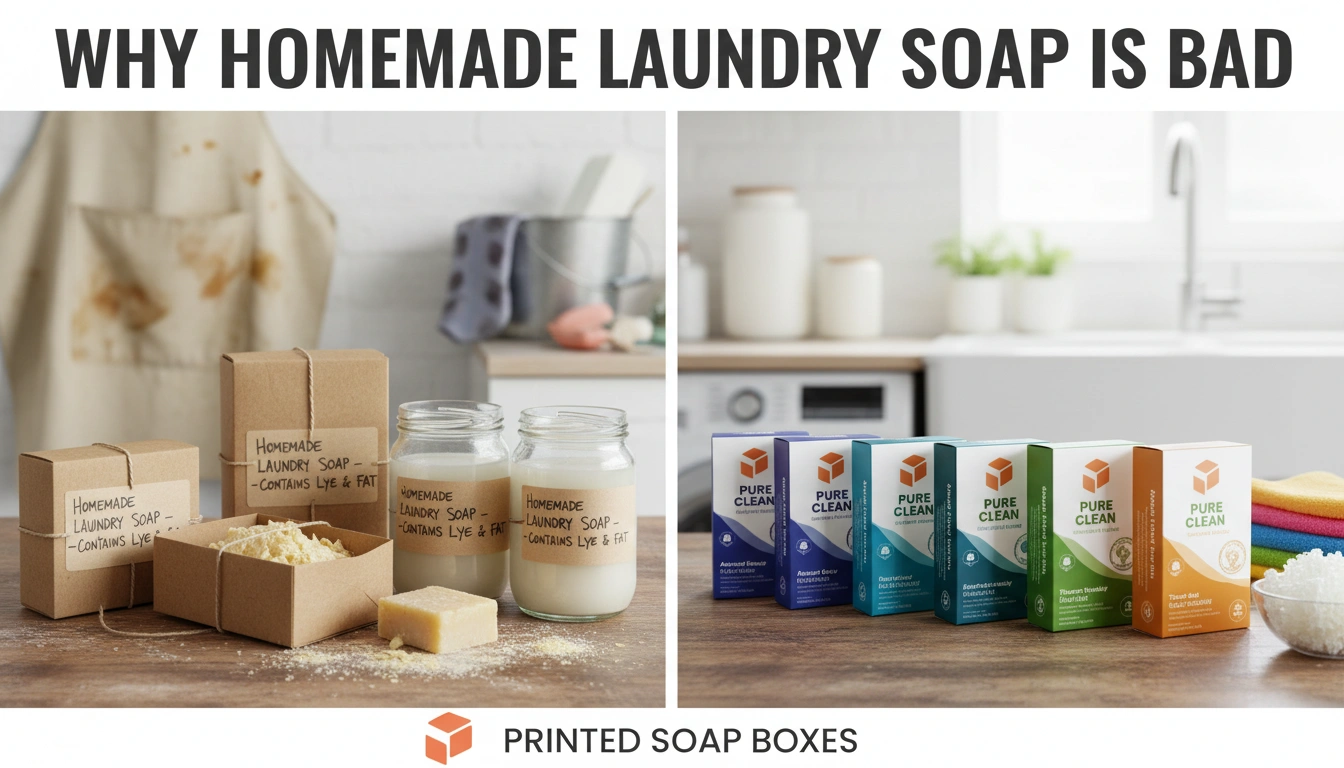
Think homemade laundry soap is a smart way to save money? While DIY solutions seem eco-friendly and easy, they can cause more harm than good. Many people don’t realize that homemade laundry soap often leaves clothes dirty, fabrics worn, and even damages your washing machine. In this article, we’ll explain why professional detergents are usually a safer, more effective choice.
1. Cleaning Performance is Weak
Homemade laundry soap often struggles with tough stains because it lacks enzyme detergents and proper surfactant strength. Clothes may still have residue buildup, feel greasy, or look dull. In comparison, commercial laundry detergents are formulated to remove stains effectively and maintain fabric longevity.
Bullet Points:
- DIY soap may leave soap residue on clothes.
- Stains like grease, grass, and makeup may remain.
- Professional detergents include optical brighteners for a cleaner, brighter look.
2. Can Damage Your Washing Machine
Using homemade mixtures can lead to clogs, buildup, and reduced washing machine efficiency. Over time, this may shorten your appliance’s lifespan. Trusted detergent brands are tested for use in different machines and water conditions.
3. Hard Water Issues
Hard water reacts with homemade soap, causing clumps or film on clothing. This lowers suds production and makes clothes feel rough. In contrast, commercial laundry detergents are formulated for hard water and keep clothes soft.
4. Skin Sensitivity and Allergies
DIY recipes can irritate the skin, especially for people with sensitive skin. Without pH balance or safety testing, homemade soap may trigger allergic reactions or rashes. Using dermatologist-recommended detergents can help prevent discomfort.
5. Fabric Damage and Longevity
Over time, homemade soap may fade colors, stiffen fabrics, or weaken fibers. Commercial detergents maintain softness, protect colors, and include fabric softeners to extend clothing life.
6. Cost vs. Value
Although DIY soap seems cheaper upfront, hidden costs like replacing clothes or repairing your washing machine can outweigh initial savings. Consumer reports highlight that store-bought detergents offer better cost vs value and cleaning efficiency.
Homemade vs Commercial Laundry Soap
| Feature/Aspect | Homemade Laundry Soap | Commercial Laundry Detergent |
|---|---|---|
| Cleaning Performance | Weak, residue may remain | Strong, tested on tough stains |
| Fabric Longevity | Can damage fabrics | Maintains softness & color |
| Washing Machine Safety | Risk of buildup & damage | Safe for machines |
| Hard Water Handling | Poor, can clump | Effective, prevents film |
| Skin Sensitivity | May irritate | Dermatologist-tested |
| Cost | Cheap upfront | Better long-term value |
FAQs
Is homemade laundry soap safe for washing machines?
Homemade soap can cause residue buildup, reducing washing machine efficiency and potentially leading to damage.
Can DIY laundry soap irritate skin?
Yes. Without proper pH balance, homemade soap may trigger skin irritation or allergic reactions, especially for sensitive skin.
Why doesn’t homemade laundry soap clean as well?
DIY soap often lacks enzyme detergents and proper surfactant strength, leaving stains or residue buildup.
Are commercial detergents better for hard water?
Absolutely. Professional detergents prevent clumping and film formation, unlike most homemade soap boxes versions.
While DIY projects can be fun, homemade laundry soap has real downsides. From poor cleaning effectiveness and residue buildup to skin allergies and washing machine damage, the risks often outweigh the benefits. Choosing a commercial laundry detergent or eco-friendly alternative ensures your clothes stay clean, your fabrics last longer, and your laundry routine is hassle-free. Even when considering packaging, many brands offer printed soap boxes that provide clear instructions and safety tips, helping you use detergent correctly and safely.