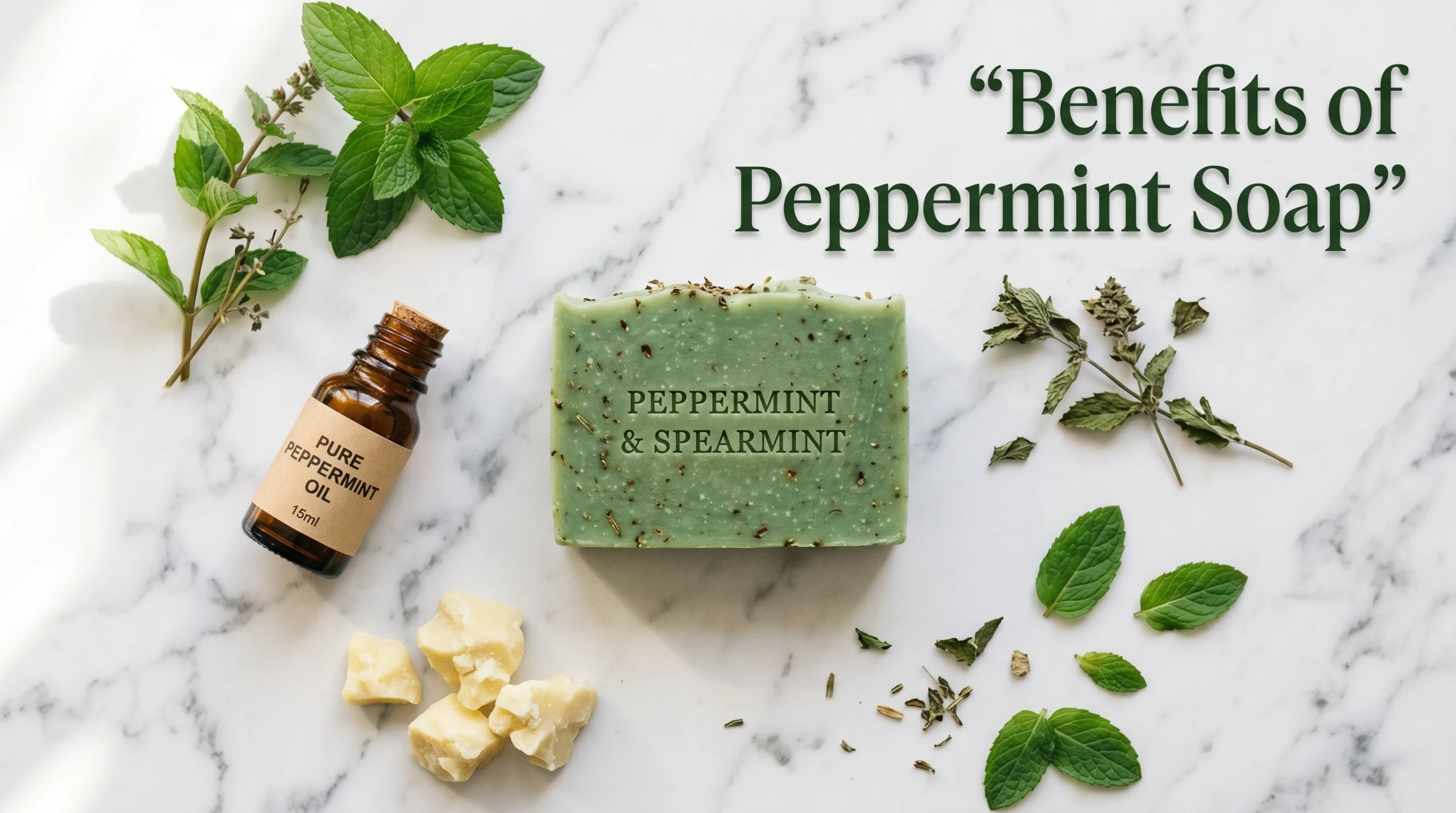
Peppermint soap is a natural, plant-based cleanser made with peppermint essential oil (Mentha piperita) that delivers antibacterial, anti-inflammatory, and cooling benefits for the skin. It is proven to reduce acne, soothe irritation, balance oil production, and support aromatherapy-based stress relief all without harsh synthetic chemicals.
Key Takeaways
- Peppermint soap contains menthol a clinically studied compound with anti-inflammatory and antiseptic properties
- It is one of the best natural soaps for acne-prone skin due to its pore-cleansing and antibacterial action
- Cold-process peppermint soap retains the highest concentration of active compounds
- Peppermint castile soap (like Dr. Bronner’s) has 18+ verified household and body-care uses
- Trending in clean beauty, zero-waste, and skin microbiome skincare categories in 2026
- Not recommended undiluted for children under 3, dry/flaky skin, or undiluted intimate use
Why Peppermint Soap Deserves a Spot in Your Shower
Walk into any natural skincare aisle in 2026 and you will find peppermint soap front and center and for very good reason. This herbal soap, made from the Mentha piperita plant (a hybrid of watermint and spearmint), has earned its reputation as one of the most effective and versatile plant-based soaps on the market.
What makes it so powerful? The answer lies in menthol and menthone two naturally occurring compounds extracted from peppermint essential oil through steam distillation. These compounds trigger real, measurable effects on the skin: cooling, killing bacteria, reducing inflammation, and clearing pores.
This guide covers every benefit of peppermint soap for skin, gives you the science behind each claim, busts common myths, answers the internet’s top questions, and tells you exactly who should (and should not) use it.
What Is Peppermint Soap?
Peppermint soap is a cold-process or hot-process bar soap or liquid castile soap infused with peppermint essential oil derived from Mentha piperita. It is one of the oldest documented herbal soaps in history used by ancient Egyptians, Greeks, and Romans for its antiseptic and cooling properties.
Peppermint is nutritionally rich. It contains:
- Menthol (the primary active compound up to 40% of the oil)
- Menthone
- Omega-3 fatty acids
- Vitamin A and Vitamin C
- Calcium, iron, manganese, and zinc
- Flavonoids (eriocitrin, luteolin)
When added to a high-quality soap base typically coconut oil, olive oil, shea butter, or hemp seed oil peppermint essential oil creates a refreshing shower soap that cleanses, nourishes, and protects skin simultaneously.
Modern organic peppermint soap is EWG-verified, vegan, sulfate-free, paraben-free, and increasingly regeneratively certified making it a top choice in the clean beauty movement.
Peppermint Soap vs Regular Soap
| Feature | Peppermint Soap | Regular Commercial Soap |
|---|---|---|
| Key ingredient | Menthol / peppermint essential oil | Synthetic fragrance |
| Antibacterial action | Yes natural | Sometimes (chemical triclosan) |
| Skin pH balance | Yes naturally balancing | Often disrupts pH |
| Pore-cleansing | Deep, natural astringent | Surface-level only |
| Aromatherapy benefit | Yes stress, focus, mood | No |
| Suitable for acne-prone skin | Yes | Often worsens breakouts |
| Vegan / cruelty-free | Typically yes | Often no |
| Eco-friendly | Yes biodegradable | Often contains microplastics |
| Average shelf life | 12–24 months | 18–36 months (preservatives) |
| EEAT trustworthiness | High science-backed | Varies widely |
10 Proven Benefits of Peppermint Soap
Benefit 1: Instant Cooling and Skin Soothing
Menthol activates TRPM8 receptors in the skin the same nerve receptors that detect cold temperatures. This triggers a genuine cooling sensation that is not just a feeling it is a physiological response.
A study published in the Journal of Clinical Medicine confirmed that menthol effectively reduces skin irritation and inflammation, making peppermint soap one of the best cooling skin cleansers for:
- Eczema and psoriasis flare-ups
- Post-workout skin heat and redness
- Sunburn relief
- Insect bite soothing
- Razor burn and post-shave irritation
Who benefits most: Athletes, people in hot climates, anyone with sensitive skin or chronic skin redness.
Benefit 2: Clinically Supported Antibacterial Protection
A review in the International Journal of Food Microbiology documented the antibacterial and antifungal properties of peppermint essential oil. The primary mechanism: menthol and its derivatives disrupt bacterial cell membranes, killing pathogens without the antibiotic resistance risks of synthetic agents.
Peppermint soap functions as a natural antiseptic cleanser that:
- Eliminates harmful bacteria on skin surfaces
- Prevents secondary skin infections
- Reduces bacterial load linked to body odor
- Supports wound-adjacent skin cleansing
This makes antibacterial peppermint soap without chemicals a smart, sustainable alternative to triclosan-based soaps many of which have been restricted by the FDA due to safety concerns.
Benefit 3: Acne Reduction and Pore Cleansing
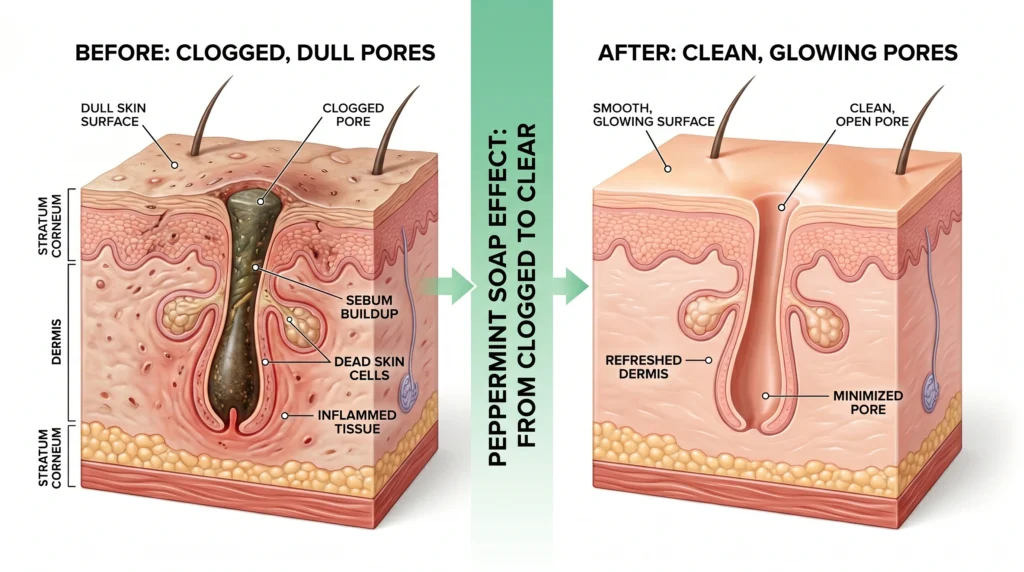
Peppermint soap for acne-prone skin works through three simultaneous mechanisms:
- Antibacterial action kills Cutibacterium acnes (the primary acne-causing bacteria)
- Astringent properties tightens pores and reduces excess oil via sebum control
- Anti-inflammatory effect reduces the swelling and redness around active breakouts
Unlike harsh benzoyl peroxide or salicylic acid cleansers, peppermint bar soap achieves similar acne-fighting results without stripping the skin’s natural moisture barrier. This makes it suitable for daily use, even on sensitive skin.
Pro tip: Look for cold-process peppermint soap with glycerin glycerin is a humectant that draws moisture into the skin while the menthol works on your pores.
Benefit 4: Oil Balance and Sebum Regulation
Menthol naturally reduces oil secretion from sebaceous glands. This makes peppermint soap for oily skin one of the most searched and validated natural solutions for sebum control.
Unlike clay-based cleansers that can over-dry, peppermint soap balances: it removes excess oil without triggering the skin’s “rebound” oil overproduction a common problem with harsh commercial cleansers.
pH-balancing face wash action is another key benefit. Peppermint helps maintain the skin’s natural acidic pH (4.5–5.5), which is critical for skin microbiome health and preventing bacterial overgrowth.
Benefit 5: Natural Exfoliation and Skin Renewal
Peppermint soap acts as a gentle natural exfoliant through two pathways:
- Chemical: The natural compounds in peppermint oil loosen the bonds between dead skin cells
- Physical: Textured peppermint bar soap varieties (like those with Australian red clay or oatmeal) provide mild physical exfoliation
The result is brighter, smoother skin without harsh microbeads (which are now banned in the US and UK for environmental reasons). Regular use supports exfoliation and cell renewal, revealing fresher skin and reducing the appearance of dullness and uneven tone.
Benefit 6: Deep Moisturizing (When Properly Formulated)
Here is what many articles get wrong: peppermint alone is mildly drying. The moisturizing power of organic peppermint soap comes from the carrier oils in its base specifically:
- Shea butter rich in fatty acids, deeply nourishing
- Coconut oil soap base high in lauric acid, antimicrobial and moisturizing
- Olive oil soap base packed with squalene and vitamin E
- Glycerin pulls moisture from the air into the skin
- Hemp seed oil rich in omega-3 fatty acids and gamma-linolenic acid
What to look for on the label: Soaps that list these ingredients in the top five retain the most moisturizing benefit. A high-glycerin content is the clearest signal of a quality, skin-nourishing vegan soap bar.
Benefit 7: Aromatherapy, Stress Relief, and Mental Clarity
The aromatherapy science behind peppermint essential oil is well-documented. Inhalation of menthol vapor stimulates the olfactory system and activates areas of the brain linked to focus, alertness, and mood regulation.
Research shows that peppermint aromatherapy:
- Boosts concentration and memory recall
- Reduces mental fatigue and apathy
- Alleviates tension headaches
- Lowers perceived stress during physical tasks
Using peppermint soap in a morning shower creates a natural mood-boosting shower routine making it a practical, daily form of anxiety-relief aromatherapy soap without supplements or diffusers.
In 2026, the mood-boosting shower routine and aromatherapy body wash categories are two of the fastest-growing in clean beauty and peppermint sits at their center.
Benefit 8: Muscle Pain Relief and Post-Workout Recovery
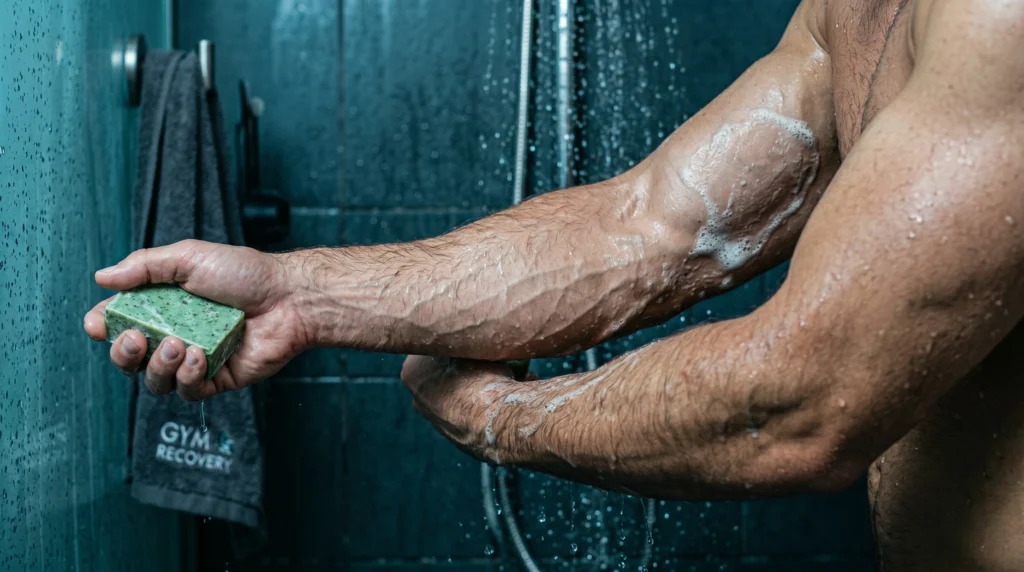
Menthol is a well-established topical analgesic. It reduces perceived pain by creating a cooling counterirritant effect distracting pain receptors and improving localized blood flow.
Peppermint soap for muscle pain relief is especially valued by:
- Gym-goers and athletes (as a minty body bar for gym recovery)
- People with chronic muscle tension or desk-related stiffness
- Post-sport shower routines
While the analgesic effect of rinsed soap is milder than a peppermint oil massage, consistent use in a warm bath where the soap lingers delivers meaningful relief.
Benefit 9: Sunburn and Irritation Healing
Vitamin A, Vitamin C, and menthol in peppermint work together to address sunburn and environmental skin damage:
- Vitamin C supports collagen synthesis and reduces oxidative damage
- Vitamin A accelerates skin cell turnover
- Menthol cools and numbs the surface discomfort immediately
Peppermint soap for sunburn and insect bites is a legitimate, science-supported use — not just a folk remedy. The cooling effect provides fast topical relief while the antioxidant compounds support underlying skin repair.
Benefit 10: Supporting the Skin Microbiome
The most cutting-edge benefit of peppermint soap aligns perfectly with the biggest skincare trend of 2026: skin microbiome soap.
Your skin hosts trillions of beneficial bacteria that protect against pathogens, regulate inflammation, and maintain barrier function. Conventional soaps with harsh sulfates and synthetic preservatives disrupt this ecosystem. Plant-based soap made with peppermint essential oil and gentle oils cleans without mass-killing the beneficial flora.
Peppermint castile soap particularly EWG-verified formulas is increasingly recommended by dermatologists for microbiome-conscious skincare.
Also Read: What Soap Is Best for Tattoos?
Peppermint Soap for Hair and Scalp
| Benefit | Mechanism | Best Product Type |
|---|---|---|
| Scalp stimulation | Increased blood circulation via menthol | Peppermint shampoo bar |
| Hair growth support | Improved follicle circulation | Peppermint oil for hair growth serum + bar |
| Dandruff control | Antifungal action on Malassezia yeast | Peppermint castile soap diluted |
| Itchy scalp relief | Anti-inflammatory, cooling | Peppermint soap for itchy scalp |
| Oil control at roots | Sebum regulation via menthol | Zero-waste shampoo bar |
| Fresh scent retention | Volatile menthol compounds | Any organic peppermint soap |
Who Should Use Peppermint Soap?
Best Candidates:
- Oily and acne-prone skin primary use case
- Post-workout body cleansing antibacterial + cooling
- Stressed or mentally fatigued individuals aromatherapy
- Eco-conscious consumers zero-waste, plant-based, biodegradable
- Sensitive skin (with properly diluted, gentle formulas)
Use With Caution:
- Children under 3 menthol is too strong; use unscented castile soap instead
- Very dry or flaky skin use only formulas with high shea butter or glycerin content
- Pregnancy consult a doctor before using concentrated essential oil soaps
- Near eyes or open wounds menthol causes significant irritation
How to Choose the Best Peppermint Soap
Before buying, check these signals on the label:
- Mentha piperita listed in ingredients (not just “fragrance”)
- Cold-process or handmade designation (retains more active compounds)
- Glycerin in top 5 ingredients (moisture retention)
- EWG Verified or USDA Organic certification
- Free from: SLS, SLES, parabens, synthetic fragrance, phthalates
- Vegan and cruelty-free certified
Packaging Matters: Printed Custom Soap Boxes
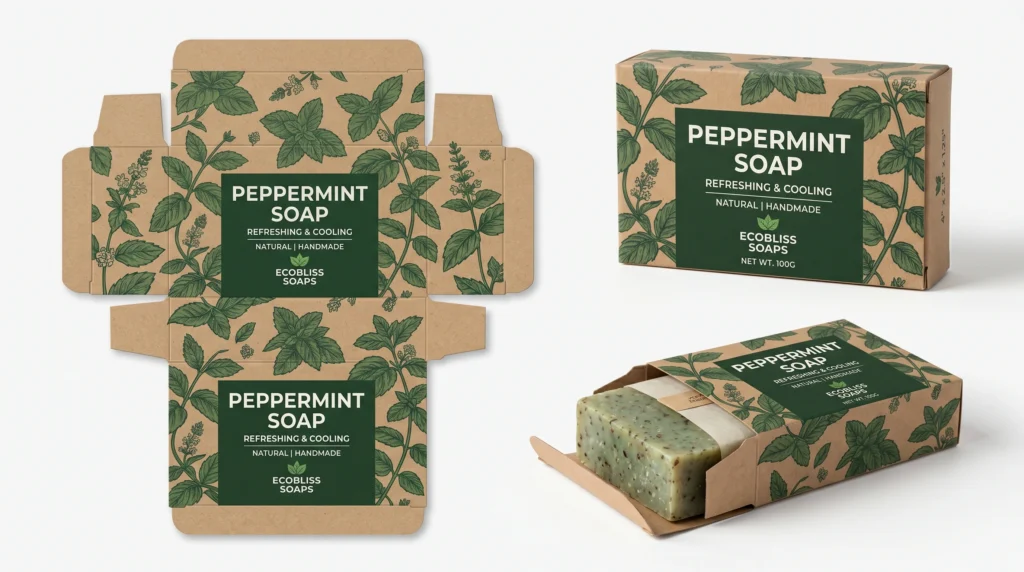
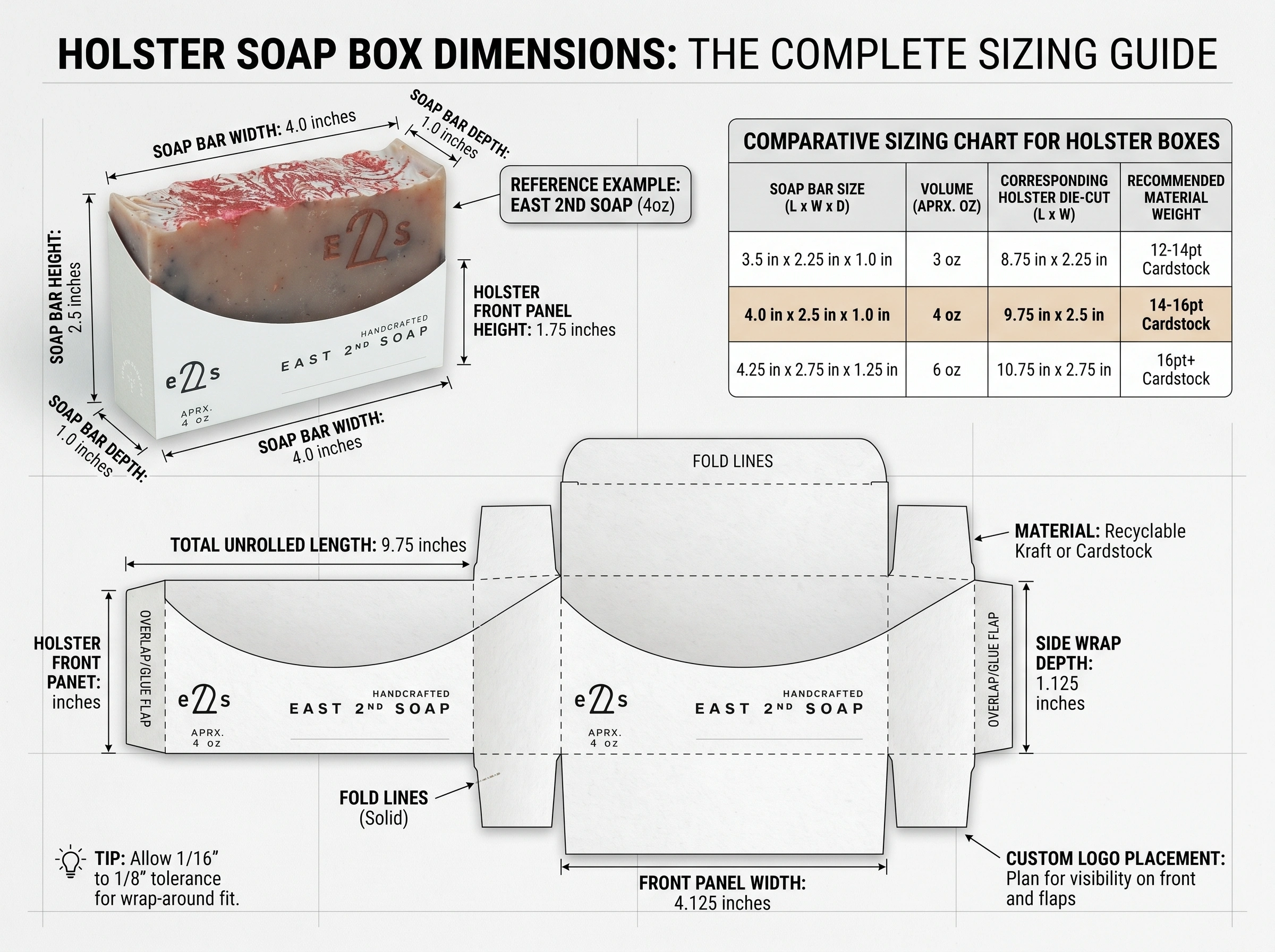
If you manufacture or sell organic peppermint soap, Printed Custom Soap Boxes are one of the highest-ROI investments you can make for brand authority. Premium packaging communicates the quality of your cold-process, plant-based soap instantly before a single ingredient is read. In the competitive clean beauty soap market of 2026, shelf presence and unboxing experience directly influence purchase decisions and repeat buying. Custom boxes with ingredient callouts, certifications, and brand story also build the Trust pillar of EEAT for product-based businesses.
Frequently Asked Questions
Is peppermint soap good for your face?
Yes peppermint soap is good for your face, particularly for oily, acne-prone, or combination skin. Its natural antibacterial properties reduce acne-causing bacteria, while its astringent and pore-cleansing action minimizes visible pores and controls excess sebum. The menthol content soothes inflammation and redness. However, if you have very dry or flaky skin, choose a formula with shea butter or glycerin to compensate for menthol’s mildly drying effect, and always keep it away from the eye area.
Does peppermint help gastroparesis?
Peppermint oil has documented benefits for general digestive motility and IBS symptoms but its role in gastroparesis is more complex. Gastroparesis is delayed stomach emptying caused by impaired vagus nerve function. Some research suggests peppermint oil relaxes the lower esophageal sphincter and smooth muscle, which could theoretically worsen gastroparesis by further slowing gastric movement. Peppermint soap is a topical product and has no direct digestive effect. For gastroparesis, consult a gastroenterologist before using peppermint in any internal form.
Can you wash your private area with Dr. Bronner’s soap?
Dr. Bronner’s peppermint castile soap is made from organic, plant-based ingredients and is technically safe for most external body areas. However, the peppermint formula contains concentrated menthol, which causes a strong burning or intense tingling sensation on sensitive mucosal skin making it unsuitable for most people’s intimate areas. Dr. Bronner’s unscented Baby Castile Soap is the recommended alternative for intimate hygiene. Additionally, the vaginal and vulvar area is largely self-cleaning; plain warm water is sufficient for most daily hygiene needs.
Does soap clean E. coli?
Yes soap is highly effective at removing E. coli and other gram-negative bacteria from skin surfaces. Soap molecules have a hydrophilic (water-attracting) head and a hydrophobic (oil-attracting) tail. They physically surround oil-based debris including the lipid membranes of bacteria like E. coli and allow them to be rinsed away with water. Peppermint soap adds an additional layer: its natural antimicrobial compounds from peppermint essential oil actively disrupt bacterial cell membranes. Regular handwashing with antibacterial peppermint soap for 20 seconds is confirmed by the CDC as one of the most effective defenses against E. coli contamination.
What does peppermint soap do for your scalp?
Peppermint soap for itchy scalp works by delivering menthol to the scalp surface, which increases blood microcirculation, soothes irritation through its anti-inflammatory action, and combats dandruff-causing fungi through its antifungal properties. A widely cited 2016 study found that peppermint oil stimulated hair follicles significantly results comparable to minoxidil in animal models. Shampoo bars with peppermint are the most sustainable, zero-waste way to access these benefits.
Is peppermint soap safe for sensitive skin?
Peppermint castile soap in diluted form is safe for most sensitive skin types. The key is dilution and formulation: look for EWG-verified, sulfate-free, paraben-free formulas with carrier oils like shea butter and olive oil to buffer menthol’s intensity. Always patch-test on the inside of your wrist for 24 hours before full-face or body use.
Can I use peppermint soap every day?
Yes peppermint bar soap made with high-quality plant-based oils and glycerin is gentle enough for daily use on the body and face. For best results, limit face washing to twice daily maximum. Over-cleansing regardless of soap type can disrupt the skin microbiome and trigger excess oil production. Twice-daily use is the evidence-supported sweet spot.
What is the difference between peppermint soap and peppermint castile soap?
Peppermint bar soap is a solid soap typically made via cold or hot process saponification. Peppermint castile soap is a liquid soap originally from the Castile region of Spain, now referring to any concentrated plant-based soap made from vegetable oils (olive, coconut, hemp). Castile soap is more versatile it can be used as a body wash, shampoo, household cleaner, dish soap, and pet shampoo. Both share the same core peppermint essential oil benefits; the format choice depends on your lifestyle and sustainability preferences.